Why a Trauma-Informed Care Farm for Speech Therapy?
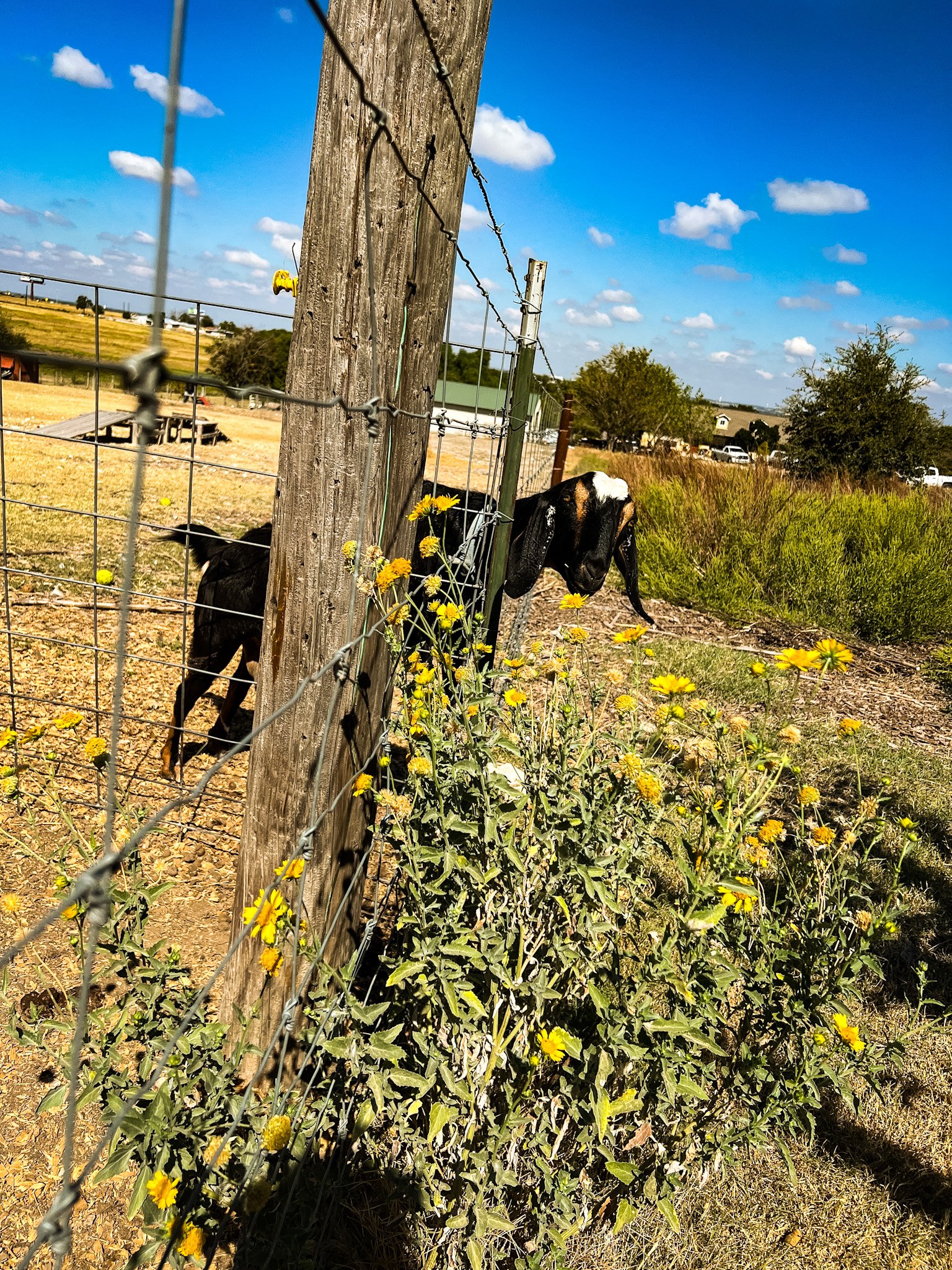
Recently, I was asked to reflect on my “why” behind choosing to provide speech therapy services on a trauma-informed care farm.
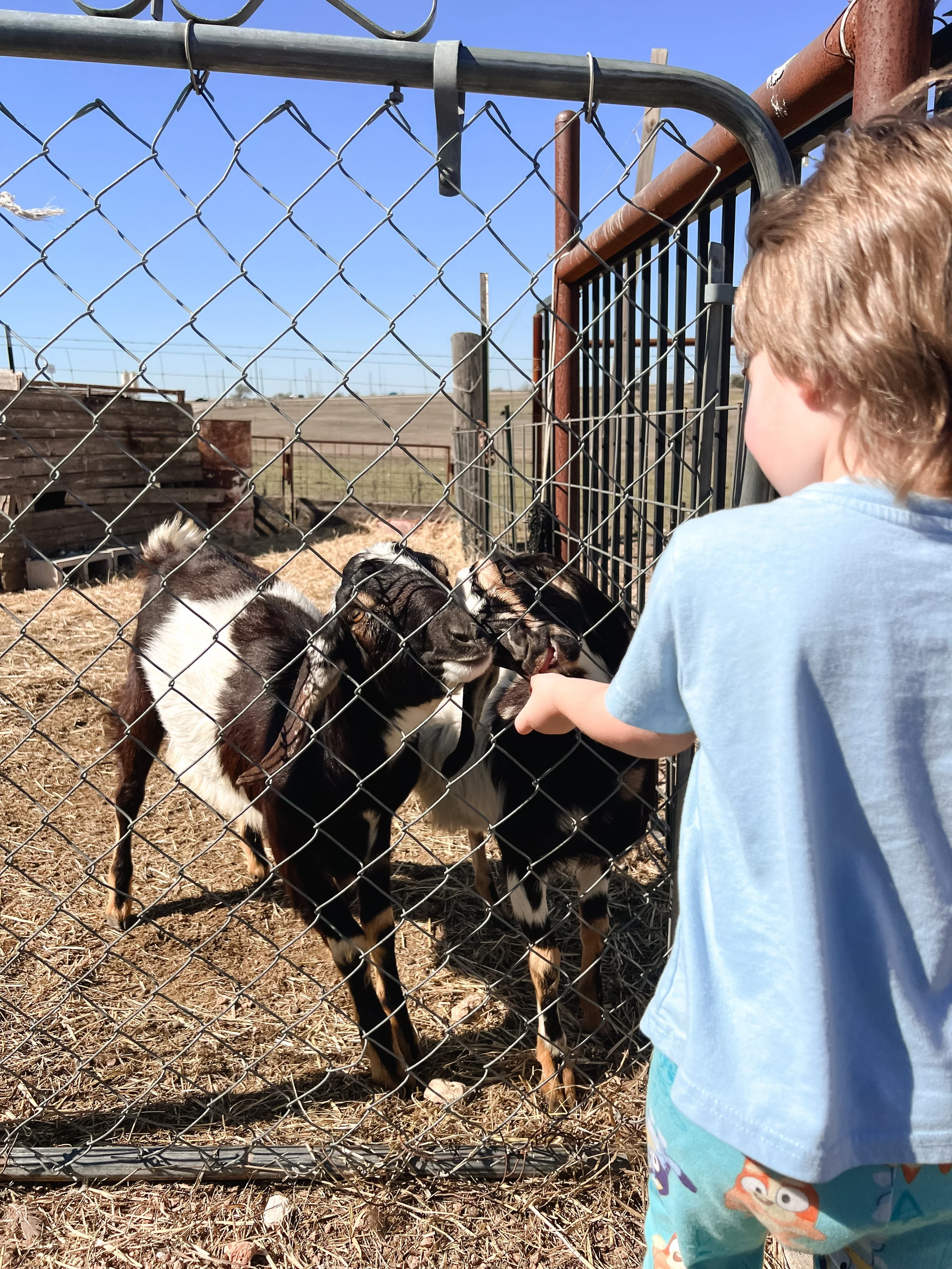
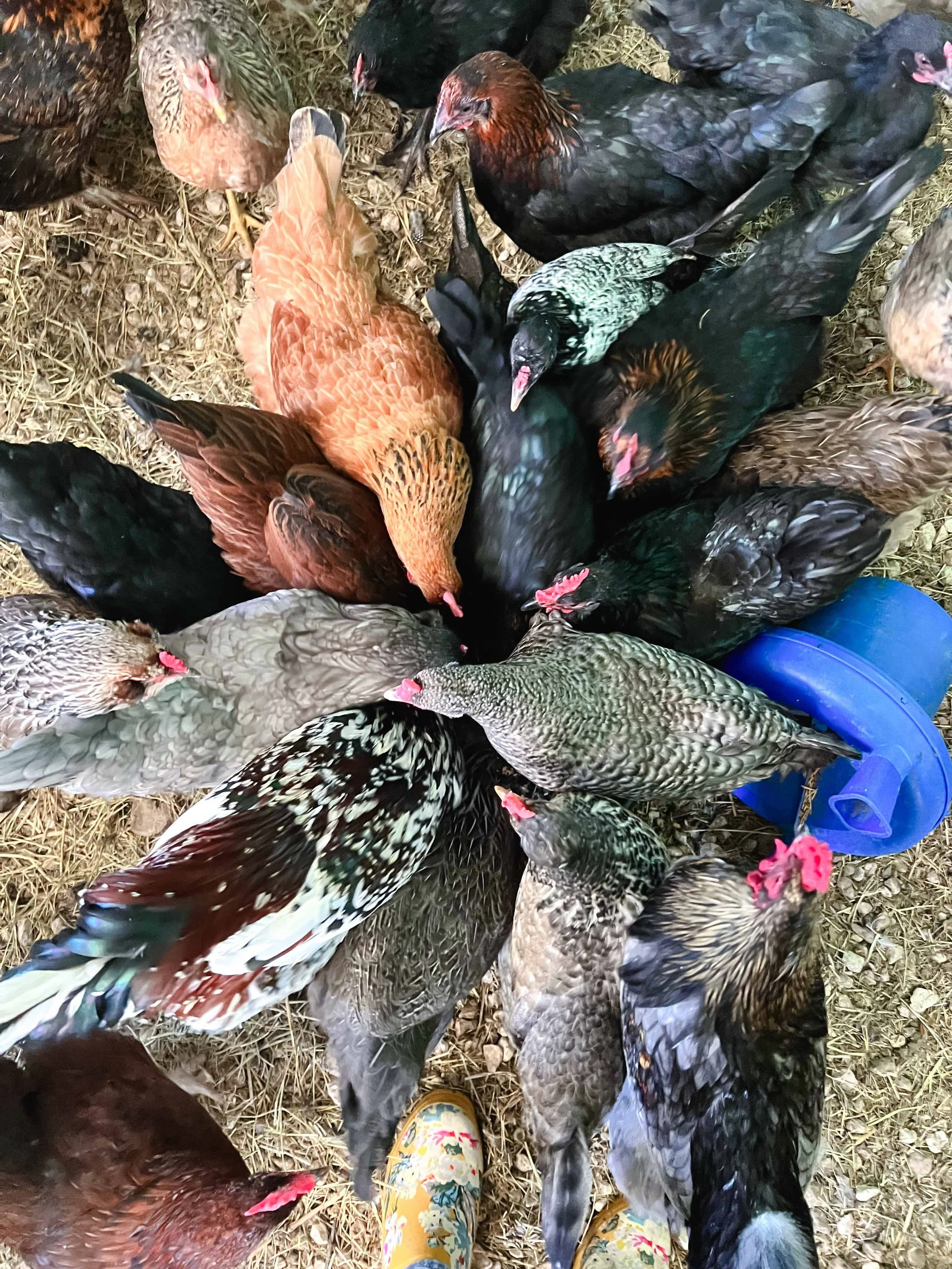
My initial response was panic, influenced by imposter syndrome. Who am I to speak on this? I’ve been providing services out at Simple Sparrow Care Farm and loving it for over a year but hadn’t taken much time to consider how I truly was implementing a trauma-informed approach alongside my child-led approach to speech therapy. I’ve been having “too much” fun playing on a care farm – chasing chickens with toddlers and feeding the goats!
When we take the time to meaningfully reflect…we’re likely to learn something!
Here’s what I learned:
There are so many parallels between a child-led approach and a trauma-informed approach. Let me share some of those with you:
Both approaches value choice!
When we think about a child-led approach in speech therapy, we’re following that child’s lead to see where their interests are, what they’re motivated by, what feels good for their bodies to engage with. Similarly, in a trauma-informed approach, we honor a person’s voice and their ability to choose what feels good for them in that moment.Both approaches value trust and building a relationship!
If you’ve been around long enough, you’ve probably heard me say that engagement comes before any learning in speech sessions. To build engagement, we first must establish a relationship. When children come into a speech therapy session, they must trust that I’m going to build success for them, support them when they need it, and most importantly that we’re going to have fun! In sessions, this also looks like getting to know a child’s interests and what motivates them.Both approaches value responsiveness to individual differences!
We are each unique individuals with different backgrounds & experiences. These experiences drive how we interact with the world and how we regulate. In speech sessions, this looks like honoring how the child shows up that day and providing opportunities for sensory regulation throughout session. Maybe we need to start by getting some fast movement into our bodies to get us ready to learn or alternatively, we need to start with a slower, calmer approach to get us ready to learn and play.
At the end of the day, sessions are focused around a child’s choice, their interests, and their strengths. There’s a brief moment at the start of session where I assess how that child is on that particular day and make a plan with them from that point. The child has the opportunity to guide the activities that we focus on that day and it’s my role as the speech therapist to turn those activities into magical, therapeutic moments of learning.
What ideas or thoughts does this generate from you – share them in the comments below.
If you’re interested in learning more about Care Farming, click here. You can learn more about Simple Sparrow Care Farm here and about farm sessions with Where Language Blooms here.